Greece tours bundle a ticket, transport and a tour guide or boat crew into one booking. This page sorts Greece tours by region and by type, from the Acropolis in Athens to catamaran days around Santorini.
Each region section names the day trips, cruises and multi-day tours that start there and shows the tours you can book on GetYourGuide. Pick a region, compare the tour types, then book the tour that fits your dates.
What Do Greece Tours Include?
Greece tours are organised trips that bundle the parts of a day or a longer trip into one booking. A tour pairs an entry ticket, transport, a tour guide or a boat crew with a fixed plan. You pick the trip, show up at the meeting point, and the host runs the rest of the day.
The first three types of Greece tours work on a single day. Guided sightseeing in Athens covers landmarks on foot with an expert guide. Day trips from Athens reach places outside the capital, such as Meteora, where monasteries stand on tall rock pillars. Boat cruises and sailing days put you on the water around the islands.
For more greece tours, visit our sister site, which lists day trips, cruises and multi-day tours across Athens, the mainland and the islands.
Three more types cover longer trips, tasting and travel between points. Multi-day tours link a route of stops across two or more days under one itinerary. Food and wine tours centre on tasting local dishes and wines. Transfers are plain rides, such as an airport pickup to a hotel, with no sightseeing attached.
Greece tours list their inclusions on each tour page. Each type bundles a different core item. A day cruise from Athens to Hydra, Poros and Aegina includes lunch. An Acropolis ticket offers an audio guide or a live tour guide as an option. A luxury Santorini catamaran day trip includes a meal and open bar.
What stays outside a tour matters as much as what sits inside. Meals, drinks and personal costs depend on the tour page. One tour includes lunch, while another leaves food to you. Souvenirs, tips and extra snacks come from your own pocket unless the page says otherwise. Read the not-included list before you book, so nothing surprises you.
Group size and language change from tour to tour. Greece tours run as small-group, shared or private trips. A shared tour joins you with other travellers on one departure. A private tour keeps the group to your own party. The tour page names the language the tour guide speaks, so check it before you book.
Booking Greece tours here takes three steps. First, pick a tour on this site and open its page. Second, read what it includes, plus the group type and language. Third, book on GetYourGuide, which handles the booking and payment for you. This site lists and describes the tours, and the checkout happens on that platform. The About Us page explains how this site earns its commission.
Which Regions Do Greece Tours Cover?
Greece tours suit each region differently, so match the region to the tour type. Athens and Attica suit city tours, and a hop-on hop-off bus links the main sights of the capital. Attica also has day trips, such as the coastal drive to the Temple of Poseidon at Cape Sounion.
The Peloponnese is the region for road day trips. You can visit the Lion Gate at Mycenae, the ancient theatre at Epidaurus and the old town of Nafplio. Olympia, where the Olympic Games began, needs its own day. Greece tours in the Peloponnese follow the story from the Bronze Age to the classical era.
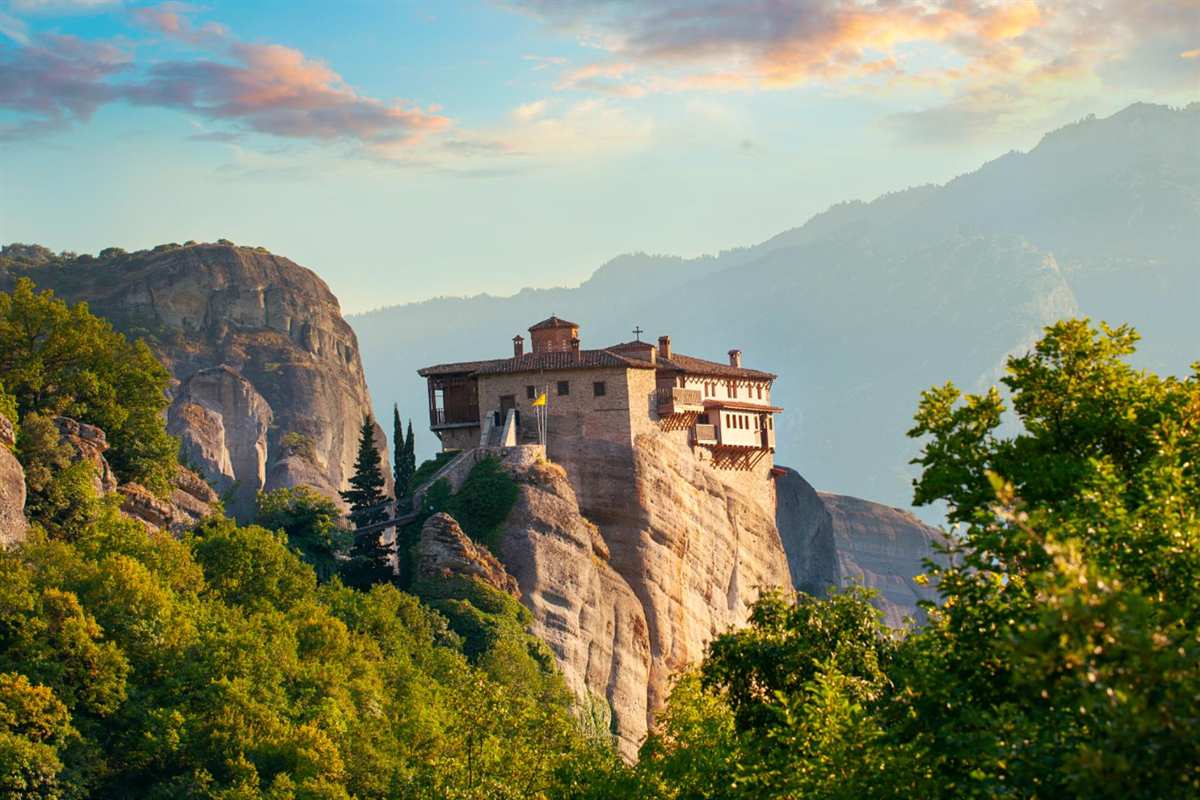
Central Greece has two sites that suit guided tours. Delphi was the home of the oracle of Apollo, and its ruins sit on the slopes of Mount Parnassus. Meteora has monasteries built on top of tall rock pillars. An expert guide explains the history of both sites.
Greece tours in the north mix city walks, ancient sites and mountain treks. Thessaloniki suits a walking tour of its Byzantine churches and its waterfront. Vergina holds the royal tombs of ancient Macedon. Mount Olympus, the highest mountain in Greece, is a trek for walkers. Greek myth names it the home of the gods.
The Cyclades are the heart of island Greece tours, built around cruises and sailing. Santorini, Mykonos, Naxos, Paros and Milos all suit a day on the water. From Mykonos, a cruise visits the sacred island of Delos and nearby Rhenia, with lunch included. Delos holds the ruins of an ancient sanctuary.
Crete is the largest Greek island, so it suits both road trips and boat trips. A day trip runs to Agios Nikolaos and Spinalonga, a small fortress island. Walkers can trek the Samaria Gorge in the west of the island, and Knossos, the Minoan palace, lies near Heraklion.
The Dodecanese suit boat trips between islands. Rhodes has a medieval old town, and a high-speed boat runs from there to Symi and Saint George’s Bay. Kos is the island of Hippocrates, with the ruins of an ancient healing centre.
In the Ionian islands, Greece tours mix old towns with sea trips. Corfu has a walkable old town of narrow streets and Venetian forts. Zakynthos has Navagio beach, which only boats reach, and Kefalonia has the Melissani cave lake. Skiathos, in the Sporades, suits sailing trips along its coast.
Which Athens Tours Cover The Acropolis?
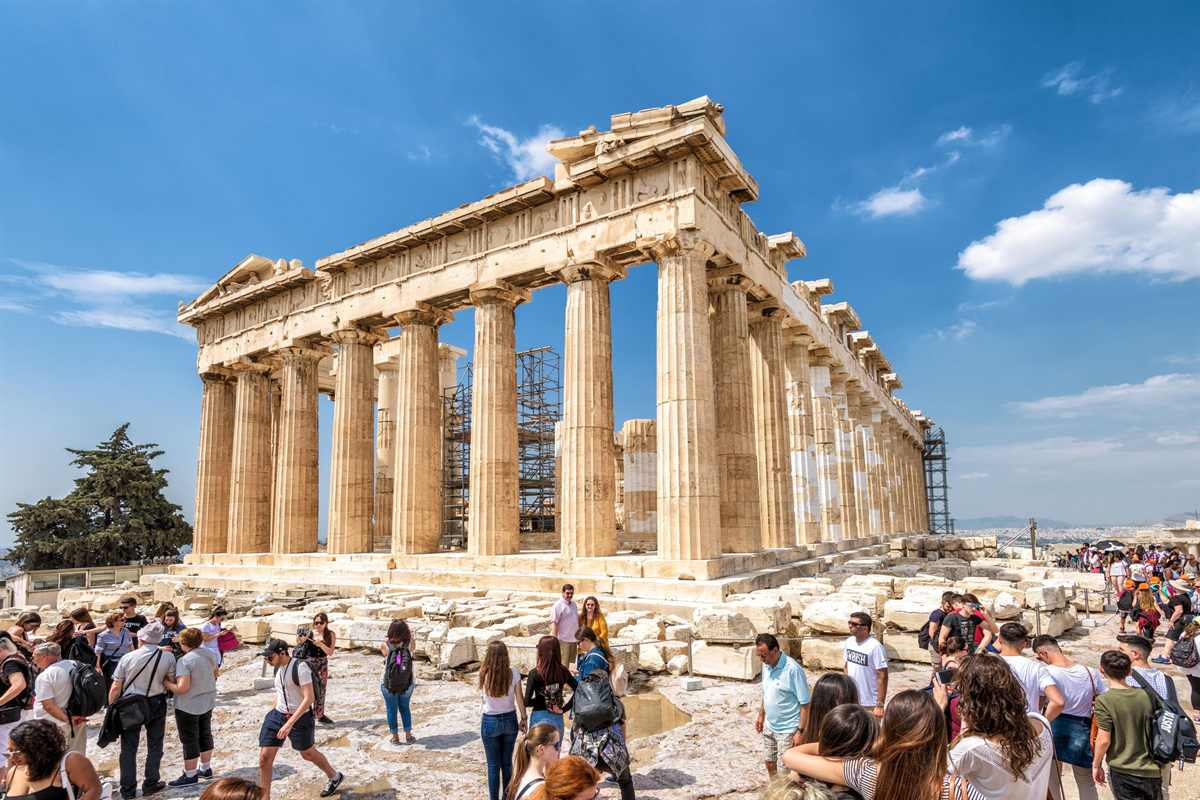
Athens is the starting point for Greece tours, and the Acropolis is the first stop. This rock above the city holds the Parthenon, the temple of Athena that crowns the hill. Choose how you want to see it, then plan the rest of your Athens days around that visit.
The simplest option is an Acropolis ticket bundled with other heritage sites and an audio guide. You walk at your own pace and listen as you go. Self-paced Greece tours suit you if you read the signs, stop where you want and set your own schedule.
An expert guide adds the story. On a guided tour, this expert walks you through the Parthenon and explains the myths behind it. The premium guided tour keeps its focus on the Acropolis and the Parthenon. Greece tours with an expert guide suit first-time visitors who want the full story.
A small group tour keeps the story and adds room for questions. The mythology highlights tour follows the gods and heroes of Athenian legend across the Acropolis. A smaller group means you hear the expert clearly and move through the site without crowding around one voice. Families and curious travellers suit this format.
Fast-track and first-access tickets are built to shorten your wait at the gate. Pick one if your day is full or you want to see the Parthenon before the hill fills up. Greece tours that include entry remove one more task from your list.
The Acropolis Museum stands at the foot of the hill and holds sculptures and finds from the rock above. Add it to your plan with a combined Acropolis and museum tour, or visit it alone on a second day. Greece tours that pair both sites give you the full picture.
The Ancient Agora was the market and meeting place of ancient Athens, and the Temple of Hephaestus still stands there. One Agora tour includes all entrances. A hop-on hop-off bus links the sights across the city, and a city pass groups entries together. These Greece tours keep your Athens days simple.
Leave the city for a half-day trip. Cape Sounion sits at the southern tip of Attica, where the Temple of Poseidon overlooks the sea. The sunset trip arrives as the sun goes down. The Athens Riviera trip follows the coast and adds a swim stop. Pick Sounion for the sunset and the Riviera for the water.
Which Day Trips From Athens Reach Delphi, Mycenae And Nafplio?
Two classic day trips leave Athens for the great ancient sites. One goes north to Delphi, home of the oracle of Apollo. The other goes south-west to the Peloponnese for Mycenae, Epidaurus and Nafplio. Each fills a full day, and together they are the standard day-trip Greece tours out of the capital.
The ancient Greeks called Delphi the navel of the world. Pilgrims climbed the Sacred Way to the Temple of Apollo, where a priestess, the Pythia, gave the god’s answers. A walk through the sanctuary takes you past the treasuries, the theatre and the stadium. All of it sits on a steep slope of Mount Parnassus.
The Delphi Archaeological Museum displays statues, reliefs and offerings from the site, including the bronze Charioteer. The mythology tour ties these works to the stories of Apollo. Afterwards the day moves to Arachova, a mountain village on the slopes of Parnassus. Its stone houses and narrow lanes make a calm stop.
Small-group trips limit the party size, so the expert guide can speak with everyone at each stop. A guided tour built around mythology puts the stories first. An audio guide option suits travellers who want to set their own pace. Compare Greece tours to Delphi by format.
A longer Delphi route adds two stops. The Corycian Cave sits high on Mount Parnassus and was sacred to Pan and the nymphs. Thermopylae is the narrow pass where King Leonidas and his Spartans faced the Persian army. Greece tours with these stops add battle history to the myth.
Greece tours of the Peloponnese begin at Mycenae, the hilltop citadel of King Agamemnon. In the myths, he led the Greek army to Troy. You enter through the Lion Gate, where two carved lionesses stand above the doorway. Epidaurus comes next, with an ancient theatre whose acoustics carry a spoken word to the top rows.
Nafplio ends the day. This seaside town has an old quarter of narrow lanes and squares, with the Palamidi fortress above it. Nafplio was also the first capital of modern Greece. A small-group trip and the legends-themed tour both cover these three stops. These Greece tours differ in style, not in sights.
Delphi is a one-theme day about myth, with one long drive each way and an uphill sanctuary walk. The Peloponnese mixes legends, theatre and a seaside town, with shorter legs between sites and gentler walking. Both Greece tours need comfortable shoes.
How Do Meteora Tours From Athens And Thessaloniki Work?
Meteora tours leave from both Athens and Thessaloniki, as day trips or overnight stays. Meteora is a group of monasteries built on tall sandstone rock pillars above the town of Kalambaka. The site holds UNESCO World Heritage status. This landscape makes Meteora a headline stop among Greece tours of the mainland.
The Athens day trip suits travellers with one free day in the city. Hotel pick-up comes with one tour, and a live tour guide leads another with lunch and a seasonal sunset. Both tours drive north to Kalambaka and visit the monasteries. These Greece tours bring you back to Athens the same day.
Hermit caves are the stop that shows how Meteora began. Monks lived in hollows in the rock long before anyone built the monasteries on top. One Athens tour adds the hermit caves to the monastery visit. The monasteries later grew out of that hermit way of life.
A different day trip combines the caves with a beachfront stop, lunch and a sunset at the rocks. The beachfront stop breaks up the long drive with time by the water. Greece tours with a sunset stop suit travellers who want photos of the rock towers in low evening light.
From Thessaloniki, the full-day bus trip is the simple choice. A bus takes the group to Meteora and back in one day. You do not drive or plan the route. Greece tours by bus suit solo travellers and anyone who likes a set schedule.
A private day trip from Thessaloniki includes a transfer, and only your own party rides in the vehicle. It suits families and friends who want a quieter day than a full bus brings. Private Greece tours and bus trips reach the same monasteries, so the choice is about company and comfort.
An overnight tour adds a hotel stay, so the visit runs across two days instead of one. It splits the long drive from the sightseeing and leaves more time at the rocks. Greece tours with a hotel stay suit travellers who want a slower pace. Day trips suit travellers with a tight schedule.
Dress for the monasteries before you go. They expect covered shoulders and knees, so pack long trousers or a long skirt and a top with sleeves. Wear flat shoes with good grip, because the stone paths and steps are steep. The rule applies to every tour, day trip or overnight.
What Do Saronic Gulf Cruises From Athens Offer?
Saronic Gulf cruises from Athens are day trips by boat to the islands close to the city. Each one visits three islands in a single day and leaves from Athens. These Greece tours suit a short stay in the capital.
The Hydra, Poros and Aegina cruise covers three islands in one day. An official operator runs it, and lunch is included. Hydra has no cars, so you walk its stone lanes beside the port. Poros sits close to the Peloponnese coast, split from it by a narrow channel.
Aegina is a stop on every one of these Greece tours, whichever route you pick. The island is known for its pistachios, which end up in sweets and snacks. It is also home to the Temple of Aphaia, an ancient Greek temple on a hill above the sea.
The Agistri, Metopi and Aegina route is built around swimming. Agistri is a small island near Aegina. Metopi is a tiny islet close to it, where the boat stops for a swim. Two other cruises swap Metopi for Moni, a small islet in the same part of the gulf.
Four of the five Greece tours listed here include a meal. The Hydra, Poros and Aegina cruise and the three-island Agistri, Moni and Aegina cruise both include lunch. The two luxury cruises add drinks to the meal. The official swimming cruise to Aegina, Agistri and Metopi puts swim time first.
Every cruise follows the same simple order. Boarding comes first, then the sail across the gulf. Island stops give you time ashore, and swim stops give you time in the water. Lunch is part of the day on the cruises that list it. The boat then sails back to Athens.
Pick between these two kinds of Greece tours by what you want to do. The Hydra, Poros and Aegina cruise is the sightseeing choice: three island towns, one of them car-free, plus lunch. The Agistri, Metopi and Aegina cruise is the swimming choice: two small islands for swim stops, plus Aegina.
Two listings carry the official label: the Hydra, Poros and Aegina cruise and the Aegina, Agistri and Metopi swimming cruise. Two carry the luxury label: both sail to Agistri and Aegina, one with Moni and one with Metopi. Any of these Greece tours gives you a full island day with Athens as your base.
Which Santorini Greece Tours Cover Catamarans, Volcano And Wine?
Santorini Greece tours fall into two groups: sea days and land days. The island is a crescent of cliffs around a flooded volcanic crater called the caldera. Boats sail inside it, buses climb along its rim, and vineyards cover the gentle slopes inland. Each style shows you a different side of the island.
Fira and Oia sit on the rim of the caldera, high above the water. Whitewashed houses and blue-domed churches line the cliff edge. Fira is the island capital, and Oia stands at the northern end. From Oia, the sun sets over the sea in front of you.
The volcano shaped everything you see on Santorini. Perissa and Kamari have black sand made of ground-down volcanic rock. The cliffs show bands of ash, pumice and lava. Farmers grow tomatoes and grapes in this soil, and it gives the local wine a sharp, mineral taste.
Catamaran cruises are the main sea option among Greece tours on the island. A catamaran has two hulls and a wide, steady deck. One cruise serves a BBQ dinner with drinks and music. Another pairs a BBQ with a snorkel stop and an open bar. A third offers a meal and drinks.
The volcano cruise takes a different route. The boat sails to the volcanic islands inside the caldera. A hot springs visit adds a swim in warm water. The route also reaches Thirassia, the quiet island on the western edge. Among Greece tours, this is the cruise for volcano fans.
A land day covers the towns and the main sights. One bus day trip links the top sights of the island, a winery stop and an Oia sunset. The bus handles the winding roads, so you skip the driving and watch the views.
Wine tasting is a core part of land-based Greece tours here. Assyrtiko is the island white grape, and it grows in volcanic soil. Growers twist the vines into low baskets that shield the grapes from the wind. A winery visit lets you taste the result and see the vines up close.
Choose by what you want to do. Pick a catamaran for swimming, food and music on the water. Pick the volcano cruise to see the islands inside the caldera. Pick the bus day trip for the towns, the wine and the Oia sunset. Book one sea tour and one land tour, and these Greece tours fit together well.
Which Tours Run On Mykonos, Delos, Naxos, Paros And Milos?
These five Cyclades islands are easiest to see from the water, so the main Greece tours here are boat trips. The Delos, Naxos, Paros and Milos trips come with food, from a BBQ to a lunch. Pick one island per day and you see sea caves, small islands and ancient ruins.
Delos is a small island beside Mykonos, and UNESCO lists it as a World Heritage Site. Greek myth names it as the birthplace of Apollo and Artemis. Ancient Greeks held Delos to be a holy island. The whole island is an archaeological site, so Greece tours that land here pass ruins of temples and houses.
The Delos and Rhenia cruise starts at Mykonos and adds a second island to the day. Rhenia is the larger island beside Delos, and both lie close to Mykonos. The cruise includes a BBQ meal, so lunch is part of the trip. A cruise also saves you from finding your own boat to Delos.
Mykonos has sea trips of its own. Catamaran cruises follow the south coast of the island and show it from the water instead of the road. Greece tours by catamaran suit the day after your Delos visit, because they cover different water and a different shore.
Naxos is the largest island of the Cyclades. Its full-day cruise visits Rina Cave and the Koufonisia islands. Koufonisia is a group of small islands near Naxos. The cruise includes a BBQ and takes the whole day on the water, so pack a towel and sun cream.
Paros and Antiparos share one full-day boat tour. Antiparos is the small island across a narrow strait from Paros. Both islands sit in the Cyclades. The tour includes lunch and drinks. Greece tours like this let you see both islands without a ferry change between them.
Milos has two sailing trips. One goes to Kleftiko, a coast of sea caves and white rock, on a semi-private sailing tour. It is all-inclusive. The other goes to Polyaigos, an uninhabited island near Milos, on a full-day sailboat tour with lunch. Greece tours here run by sailing boat or catamaran.
Ferries link these islands, but a ferry day and a tour day are separate days. Book each boat tour for a day when you are already on that island. Greece tours work well when each island gets its own day and ferry rides fall on days with no tour.
Which Crete Tours Cover Knossos, Spinalonga And Balos?
Crete is the largest Greek island, and Greece tours there start from a base town. Heraklion serves Knossos, Dia and the Santorini day trip. Agios Nikolaos is the gateway to Spinalonga. Chania, Rethymno and Kissamos cover the west, with Balos, Samaria Gorge and Elafonissi. Pick the base nearest your hotel.
Knossos Palace is the Minoan palace near Heraklion and a core stop on Greece tours of the island. The Minoans built it with courtyards, storerooms, painted frescoes and a throne room. Myth ties the site to the Minotaur and the labyrinth. The entry ticket comes with an optional audio guide that explains the ruins.
Spinalonga is an island fortress off the northeast coast of Crete, close to Agios Nikolaos. Venetian builders raised its walls, and the island later served as a leper colony. Boats cross from the coast, and you walk the stone lanes and old houses on foot. Agios Nikolaos is a harbour town built around a small lake.
Balos lagoon lies at the northwest tip of Crete, with shallow turquoise water over pale sand. Gramvousa, a rocky island nearby, holds a Venetian fortress above its bay. Departures run from Chania and Kissamos. Greece tours here go by luxury catamaran with a meal, or by 4x4 jeep to the lagoon.
Samaria Gorge cuts through the White Mountains in the southwest of Crete. The full-day trek starts from Chania, with departures from Rethymno as well. An expert guide leads the walk from the high plateau down to the sea. Greece tours of this kind suit walkers ready for a long day outdoors.
Elafonissi beach sits on the southwest coast of Crete and is known for its pink sand. Crushed shells tint the sand, and the water stays shallow far from shore. You can wade across to a small islet beside the beach. Day trips to Elafonissi start from Chania.
Dia is an uninhabited island a short sail north of Heraklion. Cretan wild goats live on it. The small group sailing trip leaves from Heraklion and includes a dining experience. This is one of the Greece tours that gives you a view of the Crete coastline from the water.
Santorini lies north of Crete, and Greece tours from Heraklion reach it in one day. The guided day trip combines a bus ride with a ferry crossing. On the island, the sea-filled caldera and the white villages of Fira and Oia sit along the cliff edge.
Which Tours Run On Rhodes, Kos And The Dodecanese?
Rhodes, Kos and the Dodecanese offer Greece tours on land and at sea. The Dodecanese is an island group in the southeast Aegean. Rhodes and Kos are its two main tour bases. From them you reach a medieval town, a hilltop acropolis, a volcano and the island of Symi.
The medieval Old Town of Rhodes is a good first stop on Greece tours of the island. The Knights of St John built its thick walls and gates, and it is a UNESCO World Heritage site. Inside, the cobbled Street of the Knights runs between old stone buildings, and you walk it all on foot.
The Lindos and Seven Springs bus tour covers two sights in one trip. Lindos is a white village on the east coast, with its acropolis on a rock above the bay. Seven Springs is a cool, shaded valley where spring water runs through the trees. The bus handles the road for you.
Greece tours by speedboat from Rhodes take you to Symi, a small island in the Dodecanese. The speedboat makes the crossing quick. The trip includes a stop at St George Bay. It also includes time in Symi town, where neoclassical houses climb the hills around the harbour.
A Symi day runs in three simple steps. You board at the port in Rhodes and ride the speedboat across. Then you explore on your own during the free time. Wander the harbour front, climb the Kali Strata stairway to the upper town and stop for a meal.
Catamaran cruises add a calm option to Greece tours from Rhodes. The all-inclusive cruise comes with lunch and drinks, so there is nothing extra to arrange. You step aboard at the port. A catamaran has two hulls, which keep the boat steady on the water.
Kos adds a self-drive option to Greece tours: a private speedboat rental. No license is required, so you take the wheel yourself. You collect the boat at the port. The boat is private, so only your group is aboard, and the day runs at your own pace.
Greece tours from Kos include a trip to Nisyros, an island that is itself a volcano. Nisyros lies close to Kos in the Dodecanese. The tour crosses from Kos to Nisyros and visits the volcano and its crater. It also visits the Panagia Spiliani monastery, which adds a cultural stop beside the volcano.
Which Tours Run On Corfu, Zakynthos And Kefalonia?
Corfu, Zakynthos and Kefalonia are three Ionian islands, and each one adds sea trips, caves and beaches to Greece tours. The Ionian islands lie off the west coast of Greece, and you reach them by plane or by ferry. Of the three, Corfu lies furthest north, Zakynthos lies furthest south and Kefalonia sits between them.
Paxos and Antipaxos are two small islands south of Corfu. A cruise visits both and passes the sea caves, including the Blue Caves. This is one of the Greece tours you can book from Corfu, Benitses or Lefkimmi. A luxury cruise also sails to Paxos, Antipaxos and the Blue Caves.
Corfu Old Town is a compact area of narrow lanes and tall old houses that you explore on foot. Two fortresses protect the town. Pair a morning here with a sea cruise on another day. Your Greece tours of the island then cover both the town and the coast.
Paleokastritsa lies on the west coast of Corfu. Cliffs and green hills frame its small coves, and the water stays clear. A monastery stands on the headland above the bay. You can swim here and see a quieter side of Corfu than the old town.
Shipwreck Beach, also called Navagio, is the sight that draws visitors to Zakynthos. White cliffs surround a small cove of pale sand, and a rusted wreck rests on the beach. One of the Greece tours on Zakynthos pairs Shipwreck Beach with the Blue Caves and covers both land and sea.
Zakynthos is also the island for loggerhead sea turtles, which live in the waters of Laganas Bay. A speedboat tour combines turtle spotting around Marathonisi with the Keri Caves on the southwest coast. Glass-bottom boats and speedboats both run on these waters. Both boat types serve Greece tours of the coast.
Kefalonia adds two cave sights to Greece tours of the Ionian islands: Melissani Lake and Drogarati Cave. Melissani is a cave lake, and daylight reaches the water through an opening in the roof. Drogarati is a cave with rock formations hanging from its ceiling. A tour from Argostoli visits both.
Each of the three islands has its own airport, so you can fly straight to the one you pick. Ferries link the Ionian islands to the mainland if you prefer the sea route. Corfu has sea caves, Zakynthos has a wreck beach and Kefalonia has a cave lake.
How Do Multi-Day Greece Tours Work?
Multi-day Greece tours join a chain of sights into one trip with a set route. You ride in one coach, sleep in hotels and follow a planned schedule. Your luggage is handled, so you carry only a day bag. The tours below run from two to four days.
A day trip covers one region and ends the same day, so it suits a short stay in Athens. A multi-day tour covers more ground at a calmer pace, with a night’s rest between sights. Greece tours of two days or more trade speed for depth.
First-time visitors get a clear view of the classics in one trip, without booking each leg alone. History lovers gain time at each ancient site instead of a rushed stop. A day trip serves travellers with one free day, while a longer trip suits the multi-day route.
The 2-day Delphi and Meteora tour is the shortest route among these Greece tours. It pairs Delphi, on the slopes of Mount Parnassus, with Meteora, where monasteries sit on tall rock pillars. An expert guide leads each visit and explains the history. Together they cover ancient and monastic Greece.
A tour with hotel included keeps your plan simple. The 2-day Delphi and Meteora tour comes in a version with the hotel stay built in. One booking covers the tour and the night, so you have no separate room to find. Another 2-day option focuses on Meteora alone and also includes a hotel stay.
The 4-day classical tour of Mycenae, Epidaurus, Olympia, Delphi and Meteora is the core route among classical Greece tours. Mycenae shows the Lion Gate of a Bronze Age citadel. Epidaurus has an ancient theatre known for its sound, which carries to the top row. Olympia is where the ancient Olympic Games began.
Delphi adds the sanctuary of Apollo, where ancient Greeks asked the oracle for advice before major decisions. Meteora adds Orthodox monasteries perched high above the plain of Thessaly. The 4-day classical tour with Meteora and the Explore Ancient Greece 4-day tour add two more routes through ancient Greece.
Choose by time and interest. The 2-day tours suit a short look at Delphi and Meteora. The 4-day routes suit history lovers who want the full classical circuit. Whichever length you pick, these Greece tours spare you from booking hotels and coach rides one by one.
Which Food, Wine And Cooking Greece Tours Can You Join?
Food, wine and cooking Greece tours teach you a country through its table. You taste, cook and learn instead of reading a menu. The main choices are food walks in Athens, wine tastings on Santorini, and cooking classes. Crete adds a tasting tour from Chania.
The original Athens food tour is a walking tour built around a full meal. A tour guide leads you through the city, and you eat as you go. It suits you if you want to eat well and see the city in one outing.
The Athens street food tasting tour is a lighter option. You try small bites from stop to stop instead of sitting down to one big meal. The ultimate food walking tour goes further and packs in 15 tastings. Evening and small-group versions are also on offer, so you pick the time and group size.
Cooking Greece tours let you make the food yourself. In Athens, one class starts with a food market visit, then moves to cooking, and wine comes with it. Another is a rooftop cooking class that includes dinner. Either way, you cook with your own hands and learn how a Greek kitchen works.
Wine Greece tours on Santorini come in three styles. One visits three wineries. Another is a small-group sunset tour at a winery. The third pairs tastings with snacks. Vines on the island grow in volcanic soil, and Assyrtiko is its main white grape. A winery tasting is the simplest way to try it.
Santorini also has a cooking class that comes with lunch and wine. On Crete, the largest Greek island, a tasting tour from Chania lets you try olive oil, wine, cheese and honey. The Crete tour covers four products that Greek farms make.
Greece tours built around tasting turn ingredients into lessons. Feta is a brined white cheese made from sheep’s milk or from sheep’s and goat’s milk together. Olive oil is pressed from olives, and fresh oil tastes green and slightly peppery. Souvlaki is grilled meat on a skewer, and koulouri is a ring of sesame bread.
Pick from these Greece tours by what you want to do. Take an Athens walk to eat across the city. Join a class to learn a dish by cooking it. Head to a Santorini winery for the island’s wine. Go to Chania for olive oil, cheese and honey.
How Do You Get Between Greece Tours By Ferry, Flight And Transfer?
You reach your Greece tours by ferry, plane, coach or transfer car. Ferries join the mainland to the islands, planes cover the long routes, and coaches serve the mainland. Choose the mode that suits your route. Then leave a clear gap before every tour begins, so travel never eats into tour time.
Ferries to the Cyclades sail from Piraeus, the main port of Athens. Rafina, on the east coast of Attica, is the second departure port. It serves the northern Cyclades, including Andros, Tinos and Mykonos. Check which port your ticket names, then plan your ride to that dock.
Planes link Athens with the islands that have their own airport, including Santorini, Mykonos and Crete. Flying is the quicker choice for the long routes, and it leaves your day free for sightseeing. Pick a flight that lands well before your Greece tours begin. A late plane then never cuts into a tour.
Coaches handle travel on the mainland, linking Athens with Nafplio, Thessaloniki and the towns near Delphi. A coach seat lets you watch the road instead of driving it. Book your coach for the day before a mainland tour, not the same morning. A road delay then never costs you the start.
Athens airport transfers link the terminal with your hotel, in both directions. You can book a shared ride or a private car. A shared ride stops at other hotels along the way. A private car carries your own party alone, which suits families and groups on Greece tours with a tight schedule.
Santorini features on island Greece tours, and a one-way transfer links its ferry port or its airport with your hotel. It works from either point, whether you arrive by boat or by plane. Each ticket covers a single direction. Book one for the day you arrive and a second for the day you leave.
The meltemi is a strong north wind that blows across the Aegean in summer. High winds delay ferries, and a late ferry throws off the rest of your day. Never book one of your Greece tours for the hours right after a ferry lands. Leave a buffer instead.
Keep travel days and tour days apart. Spend the day you change islands on the move, and start your tour the next morning. A delay then costs you nothing, and you join the tour rested instead of tired. Use the travel day for bags, check-in and a meal.
Which Season Suits Greece Tours?
Greece tours run all year, and the season decides which ones suit you. Spring and autumn work for walking tours and sightseeing. Summer is the time for boat days and island trips. Winter belongs to cities and mainland sights. Match your month to the tour type and the trip runs smoothly.
Spring is mild and green, and wildflowers grow around the ruins. Greece tours on foot feel easy in this weather. The Acropolis and Delphi suit a long walk when the air is cool and the hills are fresh. A light jacket covers the cool mornings, and a hat covers noon.
Summer is hot, and sea tours run at full strength. Choose the earliest Greece tours at the Acropolis, before the heat builds and the crowds grow. Early starts keep the stone paths comfortable. Afternoons suit a swim, a shaded lunch or a rest indoors.
July and August bring the meltemi, a strong north wind over the Aegean. It cools the air and makes the open sea rougher. Sea days like the Skiathos Mamma Mia Island and Beach Day Cruise fit this season. Check the wind forecast the evening before any boat day.
Autumn is calmer than summer. The sea stays warm, and the air turns cooler. Boat days still work, and swimming stays pleasant. Greece tours on land feel easier too, because the heat has eased. Walks in Athens, Delphi and Thessaloniki suit these months, with less heat on the stone.
Winter is cool, and the main city and mainland sights stay open. Athens, Delphi, Meteora and Thessaloniki all suit Greece tours in these months. Island boat tours run less, so check the schedule before you plan a sea day. Athens museums and the rock monasteries of Meteora give you plenty to see.
Northern Greece suits the cool months. The day trip from Thessaloniki to the Pozar thermal baths and Edessa pairs warm water with the town’s waterfalls. A soak in warm water feels good on a cold day. The private day trip to Kerkini Lake, also from Thessaloniki, brings you to a wetland where birds gather.
The Athens City Pass suits every season. It bundles the Acropolis, museums, a hop-on hop-off ride and transport. Use it on a cool winter day or in the first hours of a hot summer morning. Museum rooms give you shade and a cool break from the sun.
How Do You Choose Greece Tours?
Start with five checks: group size, start point, length, what is included, and the cancellation terms. These five points decide how your day feels. Greece tours differ on each one, so compare them side by side before you book. Each check takes a minute and saves you from a poor fit.
- Group size: small group, shared or private
- Start point: hotel pick-up or a meeting point
- Length: the hours or days the tour takes
- Inclusions: tickets, lunch and drinks
- Cancellation terms: the rules shown on the tour page
Group size sets the pace. A small group moves quickly. You get time to ask the tour guide questions, as on the Cape Sounion and Temple of Poseidon tour. A private tour lets you choose the stops and the speed. A shared tour puts you with other travellers on a fixed plan.
Private Greece tours suit travellers who want control. The private Santorini car tour is customizable, so you shape the route with a local tour guide. That works for families, couples, and anyone with a fixed list of sights. Tell your tour guide your priorities at the start.
Look for hotel pick-up or a clear meeting point on the tour page. A tour that starts in Heraklion suits visitors staying on Crete. One example is the Santorini day trip with Oia and Fira highlights. Match the start point to your hotel and the listed length to your day.
Compare what each tour includes. The Athens Riviera catamaran tour includes a fresh meal, beer, and wine, which means one less thing to plan. Greece tours list entry tickets, lunch, and drinks in different ways, so read the included list line by line.
Match the tour to the people in your group. Pick a tour language everyone follows. The Temple of Poseidon sits on rough ground, so walkers need sturdy shoes. A catamaran sails open water, which matters if you get seasick. Families with children need to check the age rules first.
Look for free cancellation on the tour page, since travel plans change. Then read recent reviews. They show how the day actually ran, from the meeting point to the final stop. Reviews of similar Greece tours also help you compare two options that look alike on paper.
Book early for summer. Summer is high season in Greece, and popular departures fill up first. Reserve your Greece tours for the Santorini and Athens days before you fix the rest of the trip. With free cancellation, an early booking keeps your plans flexible.
What Do Travellers Ask About Greece Tours?
How long do Greece tours take?
Tours range from a single day trip to a multi-day journey between regions. A day tour covers one city, one ancient site or one stretch of coast within a single day. Multi-day tours add overnight stops in each base town. Read the listed length on each tour page, then pick the one that fits your travel calendar.
Which month suits Greece tours?
Late spring and early autumn suit Greece tours well. Days are warm, the heat is milder and sights are less crowded than in midsummer. July and August bring the hottest weather and the biggest crowds at popular sites. Winter is cooler and wetter, and island life slows down. Choose by how much heat you enjoy.
Do I need to book Greece tours ahead?
Yes. Book as soon as your travel dates are set. Groups fill up in summer, and small-group tours hold a fixed number of places. Booking early secures your date and gives you a firm plan for the days around it. In quiet months you find more room, but a confirmed place still removes the worry.
Are entrance tickets included in Greece tours?
It depends on the tour. Each tour page lists what is included and what is left out, so read that list before you book. If a tour leaves out entrance tickets, you pay for them separately. Check this line first on tours to ancient sites and museums, because those places charge for entry.
Can I cancel a tour booking?
Cancellation terms are set for each tour and shown on its booking page. Read them before you pay, and note the deadline for a change of plan. Rules differ between tours, so the terms of one booking do not apply to another. Keep your confirmation, since it holds the details if you need to cancel.
What do I wear on a tour day?
Wear comfortable walking shoes with a good grip, because ancient sites have uneven stone paths. Choose light, breathable clothes in summer, and add a hat, sunscreen and a water bottle. Pack a light jacket for spring and autumn evenings. Monasteries and churches ask visitors to cover shoulders and knees, so pack a light scarf.
Are Greece tours suitable for children?
Yes. Tours with short walks and clear stops suit children well. Long walks across ancient ruins in summer heat tire young children, so choose shorter tours in the cooler months. Check each tour page for age limits and child rules before you book. Bring snacks and extra water to keep children going between sights.